

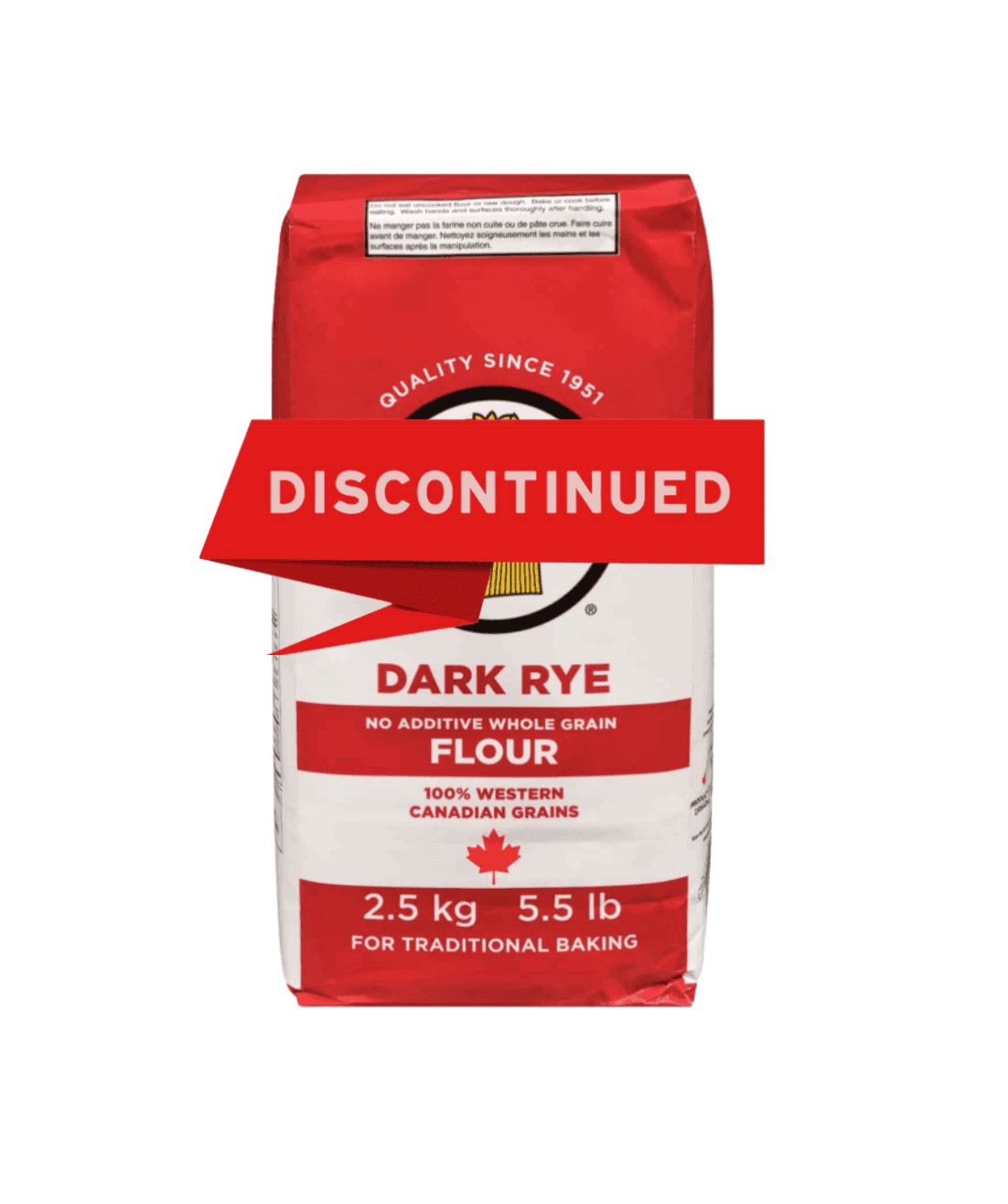
DARK RYE FLOUR 2.5kg

0 out of 5

A great source of high fibre. It is an excellent dark flour for use in making all types of rye breads and other baked products.

  • No Chemical Additives
  • No Bleaching Agents
  • No Conditioners
  • No Preservatives

Shelf Life: 8 months

Origin: Canada

Best before date stamped on top of the bag.

  • No Preservatives
  • No Additives
  • Made in Canada
Categories: Flour, Retail Products Tag:

Description

Rogers Foods Ltd. Announces Discontinuation of Rogers Retail Dark Rye 2.5kg flour bag, Effective Immediately

Chilliwack, B.C. – January 13, 2026 — Rogers Foods Ltd. today announced that it has discontinued its Rogers Foods retail Dark Rye 2.5kg Flour bag, effective immediately. Remaining inventory will continue to be available at select grocery retailers while supplies last, and will not be replenished once store stock is depleted.

“This is a difficult decision,” said Brad Duggan, VP of Sales for Rogers Foods. “We are deeply grateful to our customers for their loyalty and support over the years. We sincerely regret any inconvenience this change may cause and appreciate the many ways home bakers have made Rogers Foods Dark Rye Flour part of their kitchens and traditions.”

Availability (While Supplies Last)

Customers may find remaining inventory through select retailers and are encouraged to check local store availability directly, as product listings and carry decisions can vary by location.

About Rogers Foods Ltd.

Rogers Foods Ltd. is a proudly Canadian company with over 75 years of milling excellence, headquartered in British Columbia, producing premium-quality flours and cereal products for retail, commercial, and industrial customers.

Media Contact
Tammy-Lynn McNabb, Marketing & Communications
marketing@rogersfoods.com
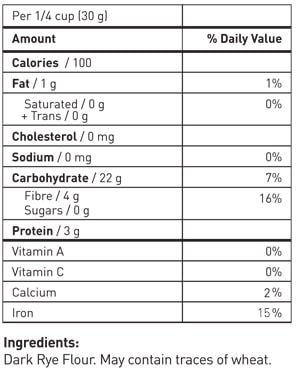
Nutritional Information

Product Safety

Safe handling of flour

The Public Health Agency of Canada (PHAC) has issued a reminder on the safe usage and proper flour handling. Flour comes from grain, which is grown in fields. In the fields, the grain may become contaminated through direct contact with bacteria from:

  • soil
  • water
  • animal waste

Flour is a raw ingredient meant to be cooked before it is eaten. Common “kill steps” that are often used during food processing will kill bacteria that may be present in raw flour. Kill steps include:

  • frying
  • boiling
  • baking
  • roasting

Health risks

Raw flour may be contaminated with harmful bacteria such as E. coli. People infected with E. coli can have a wide range of symptoms.

Some people do not get sick, but they can still spread the infection to others. Others may get an upset stomach or become seriously ill and need to go to the hospital.

Common symptoms of E. coli can appear within 1 to 10 days after contact with the bacteria. Symptoms include:

  • nausea
  • vomiting
  • headache
  • severe stomach cramps
  • watery or bloody diarrhea

Most symptoms go away within 5 to 10 days without seeing a healthcare provider.

Safety tips when handling flour

Follow these tips to avoid illness when handling flour:

  • Bake or cook items made with raw dough or batter before eating them
    • do not taste raw dough, batter, or any other product containing uncooked flour, such as cake mix, as eating even a small amount could make you sick
  • do not use raw flour in non-baked goods or a non-baked product, such as children’s play-dough
  • always use hot water and soap to wash any:
    • bowls
    • utensils
    • surfaces that flour was used on
  • Wash your hands with soap and warm water immediately after touching:
    • flour
    • batter
    • raw dough

Best practices for cooking with flour

When cooking with flour, you should:

  • Avoid cross-contamination by:
    • keeping raw foods, including flour products, separate from other foods while preparing them
    • using separate bowls, measuring cups and utensils to keep flour, raw dough and raw batter separate from ready-to-eat food
  • bake or cook items that contain flour, including flour used for thickening
  • not add flour to foods that will not be cooked, such as milkshakes and ice cream mixes
  • follow package directions on products such as cake mixes for proper cooking temperatures and specified times

Who is at risk

While anyone can become infected with E.coli, certain groups of people are more likely to get sick. These include:

  • older adults
  • young children aged five and under
  • people with weakened immune systems

For these people, symptoms may be more severe.