


The human heart is one of the body’s most vital organs, responsible for pumping oxygen and nutrients to every cell. Despite its central role in sustaining life, heart health is often taken for granted, especially among young people. Many assume heart disease is a concern reserved for older adults and something to worry about only later in life. In reality, cardiovascular health is shaped by long-term patterns, and everyday choices made in childhood, adolescence, and early adulthood can add up over decades. That is why it is never too early to start taking care of the heart, and why diet is one of the most powerful places to begin.
Cardiovascular diseases are the leading cause of death globally. Even in countries with strong healthcare systems, heart disease continues to be a major cause of illness and death. This matters because heart health is not only about emergencies like heart attacks. It is also about preventing the gradual, often silent processes that damage blood vessels and strain the heart over time.
The Slow Build of Heart Disease
Heart disease usually develops slowly. A key process is atherosclerosis, in which plaque builds up inside arteries. Over time, arteries narrow and stiffen, making it harder for blood to flow freely. This raises the risk of serious events such as heart attacks and strokes. What makes atherosclerosis especially dangerous is that it can progress for years without clear symptoms. A person might feel fine while their blood pressure, cholesterol, or blood sugar levels gradually drift into unhealthy ranges.
Because the harm accumulates over time, prevention matters at every age. When people develop heart-healthy habits early, they not only improve their health today but also reduce long-term wear and tear on their cardiovascular system. Prevention is also usually easier than reversal. It is generally simpler to establish a balanced eating routine early than to overhaul habits after a diagnosis.
Why Diet Matters So Much
Diet influences several major drivers of heart disease, including cholesterol levels, blood pressure, blood sugar regulation, and chronic inflammation. A diet high in saturated fat, added sugars, and sodium can raise LDL cholesterol, promote weight gain, elevate blood pressure, and contribute to insulin resistance. Over time, these factors can damage blood vessels and increase cardiovascular risk.
On the other hand, heart-healthy diets emphasize whole and minimally processed foods, especially vegetables, fruits, legumes, whole grains, nuts, seeds, and healthier oils. These foods provide dietary fibre, vitamins, minerals, and antioxidants that help the body regulate cholesterol, reduce inflammation, and maintain healthy blood pressure.
Canadian guidance aligns with this approach. Heart & Stroke explains that saturated fat can raise LDL cholesterol, a risk factor for heart disease and stroke, and recommends eating patterns that help reduce saturated fat intake. Their healthy eating resources also emphasize whole grains, fibre, and practical habits for everyday meals.
Fibre and Whole Grains: A Practical Starting Point
Dietary fibre is especially important for heart health. A heart-healthy diet includes foods high in fibre, with strong sources coming from whole grains, vegetables, fruit, and legumes. Whole grains, such as oats, brown rice, quinoa, and whole wheat products, make it easier to consistently get enough fibre.
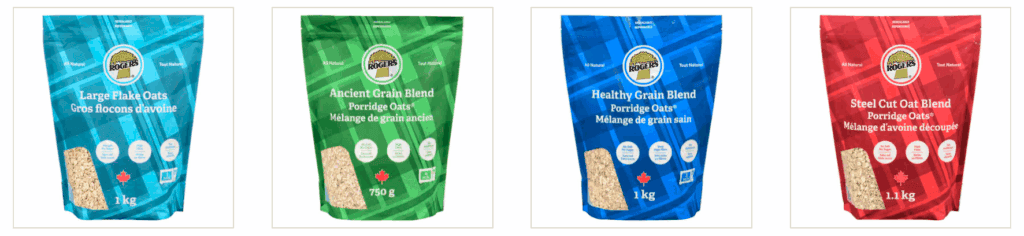
This is where practical, food-based examples can help translate nutrition into real-life choices. Rogers Foods discusses oats as a nutritious staple and highlights beta-glucan, a soluble fibre in oats that is commonly associated with improved cholesterol and blood sugar control. While no single food can “protect” the heart on its own, regularly choosing fibre-rich foods like oats can support healthier cholesterol patterns and steadier blood sugar, both of which reduce strain on the cardiovascular system over time.
Whole grains are also helpful because they are filling, versatile, and easy to incorporate into meals. Oatmeal for breakfast, whole-grain bread for lunch, or brown rice for dinner can increase fibre intake without requiring complicated recipes.

Added Sugar: Why It Matters and How to Reduce It
Added sugar is a major concern for heart health because it can contribute to weight gain, elevated triglycerides, and metabolic problems that increase cardiovascular risk. Heart & Stroke recommends that added sugars make up no more than 10% of total daily calories, ideally less than 5%. This is significant because sugary drinks, desserts, and many processed snacks can quickly add a large amount of added sugar without providing much nutritional value.
Reducing added sugar does not mean eliminating all treats forever. A realistic approach is to choose lower-sugar options most days, such as water or other unsweetened beverages instead of pop, and to treat sweets as occasional rather than automatic. These small choices, repeated consistently, can have a meaningful effect over years and decades.
Sodium and Blood Pressure: A Canadian Perspective
High blood pressure is a major risk factor for heart disease and stroke, and high sodium intake is closely linked to elevated blood pressure. Much of the sodium comes from packaged and restaurant foods rather than the salt shaker at home. Health Canada guidance recommends a daily intake of 1500 mg for most Canadians and advises not exceeding 2300 mg per day.
Reducing sodium often means focusing on food preparation habits: cooking more at home, choosing less processed foods, and using herbs, spices, garlic, citrus, and vinegar for flavour instead of relying on salt. These strategies can help maintain healthy blood pressure, even for younger people who feel healthy right now.
Healthy Fats: Not All Fats Are the Same
Fats are often misunderstood. The goal is not to avoid fat altogether but to choose fats that support heart health. Unsaturated fats, found in foods such as olive oil, nuts, seeds, and avocados, are generally preferred over saturated fats, which are more common in fatty meats, butter, and many ultra-processed foods. Canadian guidance notes that saturated fat can raise LDL cholesterol, underscoring why the type of fat matters.
This can be applied in simple ways: cook more often with olive oil, choose nuts or yogurt instead of chips and candy for snacks, and regularly include plant proteins such as beans and lentils. These are not extreme changes, but they add up over time.
Why It’s Never Too Early
It is never too early to prioritize heart health because habits formed early tend to stick. Food preferences, cooking skills, and routines often develop during childhood and adolescence. If someone grows up eating vegetables regularly, drinking mostly water, and making whole grains a regular part of meals, that pattern can carry into adulthood. If someone grows up relying on ultra-processed foods and sugary drinks, those patterns can also become normalized, making change harder later.
Starting early does not mean dieting or fearing food. It means building a normal way of eating that supports the body. It also means learning that health is shaped by patterns, not single meals. A balanced diet most of the time leaves room for enjoyment while still protecting long-term cardiovascular health.
Making Heart-Healthy Eating Realistic
A heart-healthy diet should be realistic, flexible, and culturally meaningful. People are more likely to maintain changes that fit their budget, schedule, and preferences. Instead of aiming for perfection, it helps to focus on a few consistent actions:
• Build meals around vegetables and fruit.
• Choose whole grains often, including oats, brown rice, quinoa, and whole wheat options.
• Include fibre-rich plant proteins like beans and lentils.
• Limit added sugars, especially from sugary drinks and processed snacks.
• Reduce sodium by choosing less processed foods and cooking more at home.
Even simple meals, such as oatmeal topped with fruit and nuts, can be heart-healthy because they combine fibre, nutrients, and healthy fats in one meal.
Diet Works Best with a Healthy Lifestyle
Diet is a cornerstone of heart health, but it works best when paired with other habits. Regular physical activity strengthens the heart muscle, helps regulate blood pressure, and supports healthy cholesterol levels. Good sleep supports hormone balance and appetite regulation. Stress management matters because chronic stress can contribute to unhealthy coping habits and may influence blood pressure and inflammation. Avoiding tobacco also protects blood vessels and reduces cardiovascular risk.
Still, diet is one of the most frequent, repeatable choices we make, and it shapes the body’s internal environment every day. Every meal is an opportunity to support long-term heart function.
What it all means
Heart health is not something that suddenly becomes important in middle age. Cardiovascular disease develops over time, influenced by daily patterns that begin early in life. A heart-supportive diet, rich in whole foods, fibre, and healthier fats, and lower in excess sodium and added sugars, can reduce risk factors and protect blood vessels across the lifespan. Canadian resources from Heart & Stroke emphasize fibre-rich foods like whole grains and practical strategies for healthier eating patterns. Health Canada guidance also highlights sodium targets to support healthy blood pressure.
Practical food education can make these ideas feel achievable. For example, Rogers Foods offers accessible explanations of oats, soluble fibre, and how whole grains can fit into everyday meals. Ultimately, it is never too early to care for the heart, as the benefits of healthy eating are cumulative. The sooner heart-healthy habits become normal, the more protection the heart receives over a lifetime.
References
- Health Canada. (2018, July 23). Sodium intake of Canadians in 2017. Government of Canada. https://www.canada.ca/en/health-canada/services/publications/food-nutrition/sodium-intake-canadians-2017.html
- Heart & Stroke Foundation. (n.d.). Dietary fats, oils and cholesterol. https://www.heartandstroke.ca/healthy-living/healthy-eating/fats-and-oils
- Heart & Stroke Foundation. (n.d.). Fibre and whole grains. https://www.heartandstroke.ca/healthy-living/healthy-eating/fibre-and-whole-grains
- Heart & Stroke Foundation. (n.d.). Healthy eating basics. https://www.heartandstroke.ca/healthy-living/healthy-eating/healthy-eating-basics
- Heart & Stroke Foundation. (n.d.). Reduce sugar. https://www.heartandstroke.ca/healthy-living/healthy-eating/reduce-sugar
- Rogers Foods. (2022, March 3). Oats as part of a healthy diet. https://rogersfoods.com/oats-as-part-of-a-healthy-diet/
- World Health Organization. (2015, March 4). Guideline: Sugars intake for adults and children. https://www.who.int/publications/i/item/9789241549028
- World Health Organization. (2025, July 31). Cardiovascular diseases (CVDs). https://www.who.int/news-room/fact-sheets/detail/cardiovascular-diseases-%28cvds%29
- Lab Banana. (n.d.). Interesting facts about the human heart. https://lab-banana.com/interesting-facts-about-humans-heart/
- Green Mountain Medicine. (2012, May 9). Soft drinks: Public enemy No. 1 in obesity fight?https://greenmtmed.com/2012/05/09/soft-drinks-public-enemy-no-1-in-obesity-fight/
- Hirose, M., Ibi, M., Saito, M., & Ishida, N. (2019). Abstract 11153: 8-hydroxyeicosapentaenoic acid–concentrated materials from Pacific krill suppress atherosclerosis in apolipoprotein E-deficient mice. Circulation, 140(Suppl_1). https://doi.org/10.1161/CIRC.140.Suppl_1.11153
- Le Chant des Plumes. (2024, December 24). Dr. Fazal Panezai’s nutrition tips for a heart-healthy lifestyle. https://www.lechantdesplumes.com/2024/12/24/dr-fazal-panezai-s-nutrition-tips-for-a-heart-healthy-lifestyle/
- FDA issues draft guidance to food industry for voluntarily reducing sodium in processed and commercially prepared food.(2016). The Public Record, 38(47), 1–2.
- TodayUSAHealth. (n.d.). The benefits of whole grains for blood pressure control. https://todayusahealth.com/news/the-benefits-of-whole-grains-for-blood-pressure-control
- U-RAAW! Health Foods. (n.d.). Dried cranberries (raw, organic, sweetened, Canadian). https://www.uraaw.ca/products/organic-dried-cranberries
Leave a Reply