

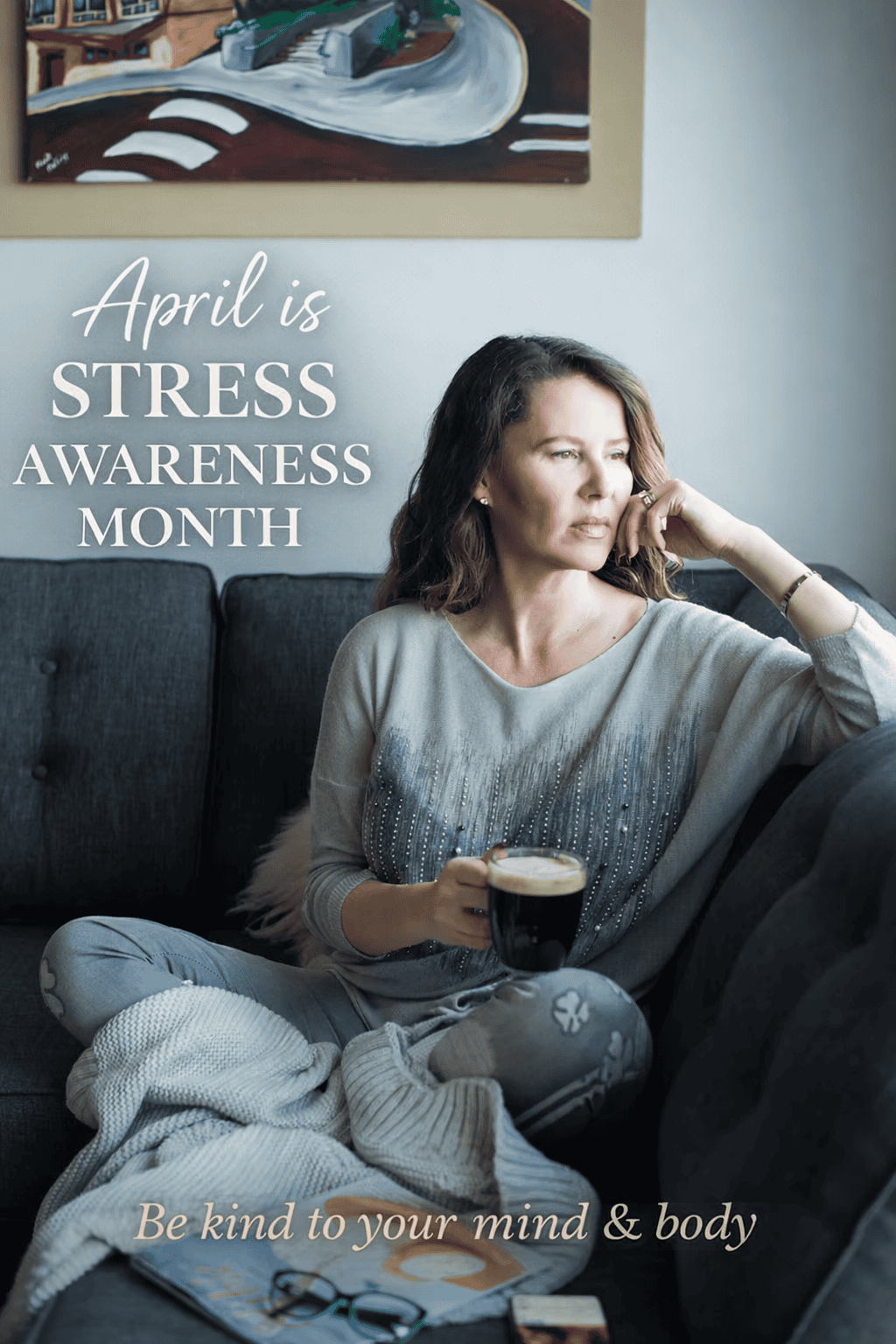

April is Stress Awareness Month in Canada, and I believe it’s something many of us should take more seriously. Stress is so widespread that we often dismiss it as just part of life, but the reality is that ongoing stress can affect much more than our mood. It can influence sleep, digestion, immunity, eating habits, and long-term health. Stress Awareness Month aims to encourage Canadians to take steps to manage stress and seek support when necessary.
Life isn’t always easy. We all bear responsibilities, emotions, disappointments, deadlines, and worries that aren’t always visible on the surface. Over the past two years, I’ve experienced the loss of two very important people in my life, and those moments forced me to stop and really consider what stress was doing to my health. Like many, I kept pushing forward. I kept functioning, showing up, and doing what needed to be done. But eventually, I had to ask myself an honest question: was I truly coping, or was I just surviving?
As a Registered Holistic Nutritionist, I know the body has its own way of speaking when stress is too high for too long. It does not always arrive dramatically. Sometimes it starts with poor sleep, headaches, digestive upset, low energy, cravings, irritability, or just feeling like your body is not bouncing back the way it used to. Chronic stress is associated with symptoms such as stomach aches, insomnia, depression, canker sores, hair loss, poor eating habits, and, over time, it may contribute to more serious issues such as high blood pressure, heart disease, stroke, and immune complications.
That is why I believe this month is such a good reminder to check in with ourselves.
Recognizing Stress-Related Illness
Many people do not immediately connect their physical symptoms to stress. They assume they are just tired, hormonal, run down, or getting older. But stress can influence nearly every system in the body.
Some of the most common signs I encourage people to watch for include trouble sleeping, brain fog, low patience, emotional reactivity, digestive discomfort, tension headaches, low immunity, sugar cravings, and feeling overwhelmed by things that would normally feel manageable. Stress can also contribute to unhealthy coping patterns like skipping meals, eating poorly, drinking more alcohol or recreational drugs, or relying too heavily on caffeine.
When your body keeps sending signals, it is worth paying attention.
How to Recognize Stress in the Body
Stress is not always obvious. It does not always feel like panic or anxiety. Sometimes it shows up as:
- trouble sleeping
- headaches or muscle tension
- bloating or digestive discomfort
- low energy or burnout
- brain fog or poor concentration
- getting sick more often
- irritability or emotional reactivity
- relying on sugar, caffeine, or convenience foods to get through the day
Why Immune Health Matters During Stress
One of the biggest lessons I have learned personally is that stress does not stay in one lane. It affects the whole body.
When stress becomes chronic, the body spends too much time in a heightened state. You may not digest food as well. Sleep quality may decline. Inflammation may increase. Your body may not feel as resilient or as steady. Over time, that can leave your immune system more vulnerable. The Blue Cross notes that chronic stress can contribute to immune and circulatory complications, which is one more reason it deserves our attention.
Supporting the immune system is not about chasing perfection. It is about creating a stronger foundation. That means better sleep, more nourishment, more rest, better boundaries, and more daily habits that help the body feel safe and supported.
The Gut Health Connection
Gut health is another area that often gets overlooked when talking about stress.
When we’re stressed, digestion can become slow or irritated. Some people notice bloating, constipation, changes in appetite, or a more sensitive stomach. Others lose interest in food entirely or reach for whatever is quick and convenient. Over time, this can really affect how we feel each day. For me, it showed up as bloating and weight gain around my midsection, a clear sign that something in my body was not quite right.
This is why I often return to simple, grounding foods that help nourish the body steadily. Fibre-rich foods, whole grains, oats, bran, and balanced homemade meals can support digestive health and provide a more stable nutritional base. At Rogers Foods, we believe in the value of wholesome ingredients and everyday nourishment, which I truly think matters. During stressful times, simple foods made from real ingredients can feel comforting, supportive, and practical.
Sometimes wellness doesn’t start with something complicated. It can begin with a warm bowl of oatmeal, a homemade muffin, a hearty soup, a piece of fruit, or simply making sure you sit down to eat a balanced meal instead of rushing on coffee and adrenaline (that was me!). I’m not a breakfast person, but I’ve made it a habit to have a small bowl of healthy grain porridge oats or oatmeal. Nothing huge, just enough to give my body some simple nutrients to kick-start my day. The difference is noticeable.
What Stress Taught Me About Self-Care
If there is one thing grief and stress have taught me, it is that self-care is not selfish.
I think many people are taught to keep going no matter what. We take care of families, jobs, homes, deadlines, and everyone else’s needs, often while quietly ignoring our own. But there comes a point where the body asks us to stop pretending we are fine.
Self-care does not have to mean something expensive or elaborate. Sometimes it means going to bed earlier (my favourite thing to do these days). Sometimes it means saying no (still learning). Sometimes it means asking for help, taking a walk, shutting off your phone for an hour, or feeding yourself properly.
The Blue Cross also highlights that women often experience unique stressors related to societal expectations, work-life balance, caregiving, and hormonal changes, and it encourages making time for activities that bring joy and relaxation.
That message really resonates with me.
Simple Ways to Reduce Stress
When life feels overwhelming, I believe the best tools are often the simplest ones. Here are a few practical ways to support your body and mind during stressful times:
Start by identifying your triggers.
What is actually causing your stress right now? Is it grief, finances, work pressure, relationship strain, poor sleep, or simply taking on too much? Once you name the source, it becomes easier to respond to it. Medavie Blue Cross recommends identifying the problem as a first step toward lowering stress.
Eat regularly.
Eat more regularly and more intentionally. Stress can disrupt appetite and lead to poor eating habits, but regular meals rich in fibre, protein, and nourishing ingredients help support steadier energy and mood.
Move your body.
Physical activity helps reduce tension. You do not have to do an intense workout for movement to help. A walk outside, stretching, gardening, or a gentle fitness routine can help reduce tension. Physical activity is one of the recommended strategies for stress reduction.
Pause and breathe.
Deep breathing, reflection, meditation, and progressive relaxation can calm the nervous system and help silence the constant mental noise.
Unplug for a while.
Disconnect from the constant input. We live in a 24/7 world, but we do not have to always be on. Taking even an hour away from screens and notifications can make a meaningful difference. Try unplugging daily rather than staying constantly connected.
Make room for joy.
Take a mental break. Read, bake, walk, journal, listen to music, or return to a hobby. A mental shift can create enough breathing room to make problems feel more manageable. I started indoor gardening, which isn’t my usual style, but now I’m hooked on exotic and rare plants. Unfortunately, I’ve killed a few along the way, but I find that it really helps me relax.
Ask for help.
Lean on support. Talking to a friend, family member, counsellor, or health professional can help relieve pressure and remind you that you do not have to carry everything alone.
A Reminder for This Month
This April, I encourage you to be honest with yourself.
How is stress showing up in your body?
What has it been costing you?
What is one small thing you can do this week to support your health?
You do not have to overhaul your life overnight. Start small. Start with one nourishing meal. One earlier bedtime. One walk. One conversation. One boundary. One moment of rest.
Stress may be part of life, but constant depletion should not be. This month is a chance to take a step back, care for yourself more intentionally, and remember that your health matters too.
And sometimes the most powerful form of self-care is simply choosing to nourish yourself, body and mind, a little better each day.
REFERENCES:
- Medavie Blue Cross. (2024, November 19). Be kind to your mind – learn how to lower stress. Living Well Hub. https://www.medaviebc.ca/en/living-well-hub/posts/lower-stress-be-kind (Medavie Blue Cross)
- American Psychological Association. (2018, November 1). Stress effects on the body. https://www.apa.org/topics/stress/body (American Psychological Association)
- American Psychological Association. (2013, January 1). How stress affects your health. https://www.apa.org/topics/stress/health (American Psychological Association)
- Mayo Clinic Staff. (2023, August 10). Stress symptoms: Effects on your body and behavior. Mayo Clinic. https://www.mayoclinic.org/healthy-lifestyle/stress-management/in-depth/stress-symptoms/art-20050987 (Mayo Clinic)
- Mayo Clinic Staff. (2023, August 1). Chronic stress puts your health at risk. Mayo Clinic. https://www.mayoclinic.org/healthy-lifestyle/stress-management/in-depth/stress/art-20046037 (Mayo Clinic)
- Cleveland Clinic. (2024, October 4). How stress can make you sick. https://health.clevelandclinic.org/can-stress-actually-make-you-sick (Cleveland Clinic)
- Cleveland Clinic. (2023, March 1). Stress sickness: Stress and your immune system. https://health.clevelandclinic.org/what-happens-when-your-immune-system-gets-stressed-out (Cleveland Clinic)
- Cleveland Clinic. (2023, February 8). 10 strange things stress can do to your body. https://health.clevelandclinic.org/things-stress-can-do-to-your-body (Cleveland Clinic)
Leave a Reply