

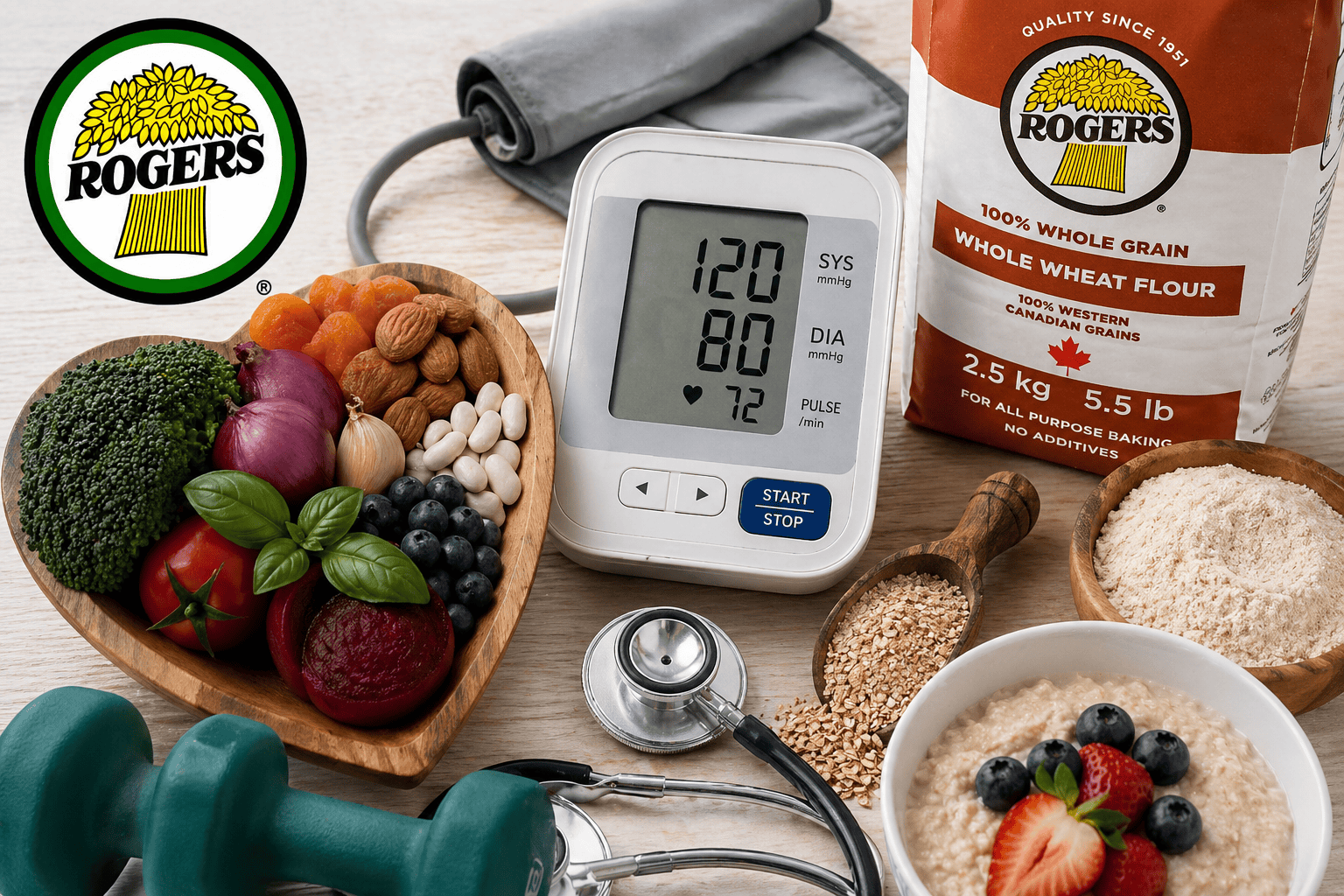
Each year on May 17, World Hypertension Day reminds us to take a closer look at one of the most important indicators of our overall health: our blood pressure. Often called the “silent killer,” hypertension affects millions of Canadians, many of whom are unaware they have it. The good news is that with awareness, lifestyle choices, and proper nutrition, hypertension can often be prevented or managed effectively.
As a holistic nutritionist, I believe strongly in empowering individuals with knowledge and practical tools to support long-term health. Understanding hypertension is the first step toward protecting your heart and living well.
What Is Hypertension?
Hypertension, or high blood pressure, occurs when the force of blood pushing against the walls of your arteries is consistently too high. Blood pressure is measured using two numbers:
- Systolic pressure (top number): the pressure when your heart beats
- Diastolic pressure (bottom number): the pressure when your heart rests between beats
A normal blood pressure reading is generally around 120/80 mmHg. Hypertension is typically diagnosed when readings consistently reach or exceed 130/80 mmHg.
It is important to understand that blood pressure fluctuates throughout the day depending on activity, stress levels, hydration, and even posture. Occasional elevated readings are not uncommon, but consistently high readings over time are what signal concern.
Over time, elevated blood pressure can damage blood vessels and vital organs, including the heart, brain, and kidneys. It is a leading risk factor for heart disease, stroke, and other serious conditions.
Who Does Hypertension Affect?
Hypertension does not discriminate. It can affect individuals of all ages, genders, and backgrounds. However, certain groups are at a higher risk:
- Adults over the age of 40
- Individuals with a family history of high blood pressure
- Those who are overweight or inactive
- People experiencing chronic stress
- Individuals with diets high in sodium and low in fibre
- Those living with conditions such as diabetes or kidney disease
Hormonal changes can also play a role, particularly for women during menopause. Younger adults are not immune either, with rising rates linked to modern lifestyle habits.
In Canada, it is estimated that nearly 1 in 4 adults lives with hypertension, and many more are at risk.
What Causes Hypertension?
Hypertension is often the result of a combination of genetic and lifestyle factors. While some causes are beyond our control, many are modifiable:
Poor Diet
Diets high in processed foods, sodium, and unhealthy fats can contribute significantly. Low intake of fibre, potassium, magnesium, and whole foods further increases risk.
Lack of Physical Activity
Sedentary lifestyles weaken the heart and reduce circulation efficiency.
Chronic Stress
Long-term stress increases hormones such as cortisol, which can raise blood pressure and influence unhealthy behaviours.
Excess Body Weight
Carrying extra weight increases the workload on the heart.
Smoking and Alcohol
Both contribute to blood vessel damage over time.
Poor Sleep
Sleep quality plays a critical role. Conditions such as sleep apnea are strongly linked to hypertension.
Signs and Symptoms: Why Awareness Matters
One of the most concerning aspects of hypertension is that it often presents with no obvious symptoms. Many individuals feel completely fine while their blood pressure is elevated.
When symptoms do occur, they may include:
- Headaches
- Dizziness
- Shortness of breath
- Blurred vision
- Chest discomfort
These symptoms usually appear only when blood pressure is dangerously high. This is why regular monitoring is essential. Home devices are accessible and easy to use, and tracking your readings over time provides valuable insight.
What Happens If You Have Hypertension? Medical Management and Long-Term Effects
If hypertension is left untreated, it does not simply remain a number on a chart. Over time, consistently elevated blood pressure places strain on the entire cardiovascular system and begins to damage the body in ways that are often gradual but serious.
How Hypertension Affects the Body
When pressure is consistently high, the inner lining of the arteries becomes damaged. This can lead to narrowed or stiffened arteries and reduced blood flow.
Heart
The heart works harder to pump against increased resistance. Over time, this can lead to an enlarged heart, reduced efficiency, and increased risk of heart attack or heart failure.
Brain
Hypertension increases the risk of stroke and may contribute to cognitive decline by affecting blood flow to the brain.
Kidneys
Damage to the small blood vessels in the kidneys can impair their ability to filter waste, leading to chronic kidney disease.
Eyes
Hypertensive damage to blood vessels in the eyes can lead to vision problems or loss.
Metabolic Health
Hypertension often exists alongside conditions such as insulin resistance and high cholesterol, increasing overall cardiovascular risk.
How Hypertension Is Medically Managed
The goal of treatment is to bring blood pressure into a healthy range and prevent complications.
Monitoring and Diagnosis
Regular checks are essential. Some individuals may use home monitors or 24-hour tracking devices.
Lifestyle Interventions
Healthcare providers often recommend:
- Reducing sodium intake
- Increasing fibre and whole foods
- Regular exercise
- Weight management
- Stress reduction
- Limiting alcohol and avoiding smoking
These are foundational and work alongside any medical treatment.
Medications
When needed, medications help lower blood pressure:
- Diuretics to remove excess fluid
- ACE inhibitors and ARBs to relax blood vessels
- Calcium channel blockers to reduce vessel tension
- Beta blockers to reduce heart workload
Some individuals require a combination approach. Consistency with prescribed treatment is key.
The Long-Term Effects of Uncontrolled Hypertension
Without proper management, hypertension can lead to:
- Heart attack and heart failure
- Stroke and cognitive decline
- Kidney disease
- Vision loss
- Reduced life expectancy
These outcomes can often be prevented with early detection and consistent care.
A Holistic Perspective on Management
Medication plays an important role, but long-term success comes from combining medical care with daily lifestyle habits.
Fibre-rich, whole foods are especially powerful. Incorporating oat bran, wheat bran, and whole wheat flour from Rogers Foods supports:
- Healthy cholesterol levels
- Balanced blood sugar
- Reduced inflammation
- Improved gut health
When paired with exercise and stress management, these habits create a strong foundation for heart health.
Prevention: Small Changes, Big Impact
The encouraging news is that hypertension is largely preventable.
1. Prioritize Whole Foods and Fibre
A diet rich in whole grains, fruits, vegetables, and lean proteins supports healthy blood pressure.
Rogers Foods products, including oat bran, wheat bran, and whole wheat flour, are excellent sources of fibre.
Simple tips:
- Add oat bran to smoothies or yogurt
- Replace white flour with whole wheat flour
- Add wheat bran to baking
- Start your day with whole grain cereal
2. Reduce Sodium Intake
Cook more meals at home, read labels, and use herbs and spices instead of salt.
3. Stay Physically Active
Aim for at least 150 minutes of moderate activity weekly. Even daily walks make a difference.
4. Manage Stress
Incorporate breathing, movement, and rest into your routine. Even small daily practices help.
5. Maintain a Healthy Weight
Focus on sustainable habits rather than quick fixes.
Bringing It All Together: Practical Daily Habits
- Start your day with fibre-rich foods
- Eat balanced meals
- Stay hydrated
- Move regularly
- Monitor your blood pressure
- Prioritize rest and stress management
Consistency is what creates lasting results.
Why It Matters
Hypertension is a leading contributor to heart disease and stroke in Canada, yet it is largely preventable.
By understanding your risk and making informed choices, you can take control of your long-term health.
Final Thoughts
Healthy living is about consistency, awareness, and making supportive choices each day.
Canadian brands like Rogers Foods make it easier to incorporate wholesome, fibre-rich ingredients into your routine while supporting local agriculture.
Your heart works for you every day. Taking care of it is one of the most important investments you can make.
References
- Hypertension Canada. (2023). What is high blood pressure? https://hypertension.ca
- Heart and Stroke Foundation of Canada. (2022). High blood pressure (hypertension). https://www.heartandstroke.ca
- Public Health Agency of Canada. (2023). Report on hypertension in Canada. https://www.canada.ca
- Harvard T.H. Chan School of Public Health. (2022). The Nutrition Source: Whole Grains.https://www.hsph.harvard.edu
- World Health Organization. (2023). Hypertension. https://www.who.int
- Anderson, J. W., et al. (2009). Health benefits of dietary fibre. Nutrition Reviews, 67(4), 188–205. https://doi.org/10.1111/j.1753-4887.2009.00189.x
Leave a Reply