

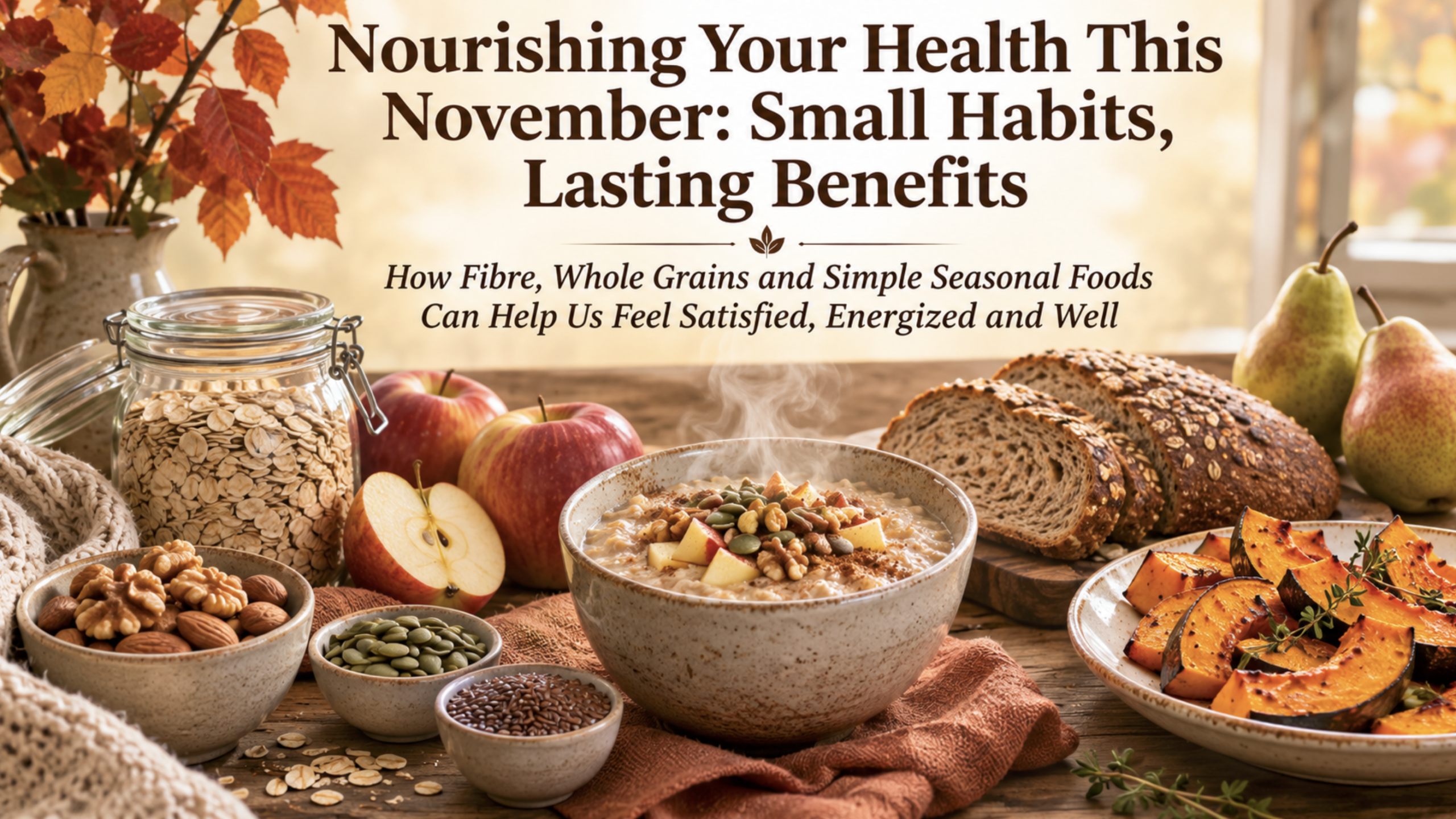
How Fibre, Whole Grains and Simple Seasonal Foods Can Help Us Feel Satisfied, Energized and Well
November 2026 | Nutrition, Prevention and Seasonal Wellness

November is a month of transition. The days grow shorter, temperatures drop, and our routines shift as we prepare for winter. We spend more time indoors, reach for warmer meals, and start thinking about the busy holiday season ahead.
While November can feel like the start of a long winter, it also offers an opportunity to focus on our health and well-being before December’s demands set in.
November is recognized across Canada for several important health awareness initiatives, including Diabetes Awareness Month, Osteoporosis Month, Fall Prevention Month, and Movember, which highlights men’s health. World Diabetes Day also falls on November 14.
These observances remind us that wellness isn’t simply about preventing illness. It’s about understanding our bodies, recognizing potential health risks and making informed decisions that support our quality of life.
As a Registered Holistic Nutritionist, I believe sustainable wellness begins with the small choices we make each day. What we eat, how we move, the quality of our sleep, and the attention we give our emotional health all contribute to our overall well-being.
This November, rather than focusing on dramatic lifestyle changes, let’s explore how simple, practical habits can help us feel healthier and more energized as we head into winter.
1. Diabetes Awareness Month: Understanding Blood Sugar and the Importance of Fibre
November is Diabetes Awareness Month in Canada, and November 14 marks World Diabetes Day.
Diabetes affects millions of Canadians, and the condition deserves greater understanding and awareness. Although type 1 and type 2 diabetes have different causes, both affect how the body regulates blood glucose.
Type 1 diabetes is an autoimmune condition and cannot be prevented by lifestyle changes. Type 2 diabetes develops from a combination of factors, including genetics, age and metabolic health. Nutrition, physical activity and other lifestyle habits can help reduce the risk of type 2 diabetes and support its management.
One of the most practical places to begin is with the foods we eat daily.
Why Fibre Matters
Dietary fibre plays an important role in digestive and cardiovascular health, as well as in blood sugar regulation.
Soluble fibre, found in foods such as oats, barley, beans, and certain fruits, can slow digestion and the absorption of carbohydrates. This may help moderate the rise in blood glucose after a meal.
Fibre can also contribute to a feeling of fullness, making it easier to feel satisfied after eating.
According to Health Canada, adult women generally need about 25 grams of fibre daily, while men need about 38 grams. Unfortunately, many Canadians consume considerably less.
Increasing fibre doesn’t require an expensive supplement or a complicated eating plan.
Consider these everyday changes:
- Start your morning with oatmeal topped with berries, chopped apples, cinnamon, and walnuts.
- Choose whole-grain breads and cereals more often.
- Add lentils, chickpeas, or beans to soups and stews.
- Incorporate vegetables into lunches and dinners.
- Replace some refined-grain foods with whole-grain alternatives.
- Include fibre-rich snacks such as fruit, nuts, and whole-grain crackers.
Remember to increase fibre gradually and drink enough fluids to help your digestive system adjust.
Building a Balanced Plate
Another useful strategy for blood sugar management is to combine carbohydrates with protein, fibre and healthy fats.
Instead of eating toast alone, try whole-grain toast with eggs and avocado. Pair oatmeal with Greek yogurt, nuts, or seeds.
Canada’s Food Guide recommends filling about half your plate with vegetables and fruits, one-quarter with protein foods, and one-quarter with whole grains.
This balanced approach provides nutrients that support overall health without requiring restrictive diets or eliminating entire food groups.
The goal isn’t to fear carbohydrates. It’s to understand how different foods nourish our bodies and to make choices that suit our individual health needs.
2. Osteoporosis Month: Protecting Our Bones as We Age
November is also Osteoporosis Month, an important reminder that bone health deserves attention throughout adulthood.
Osteoporosis is a condition that weakens bones, making them more susceptible to fractures. It can develop gradually without obvious symptoms, which is why it is often described as a silent disease. Although osteoporosis can affect anyone, the risk increases with age, especially among postmenopausal women (sigh, raised hand…).
The good news is that there are several ways to support bone health through nutrition and movement.
Calcium, Vitamin D and Protein
Calcium is essential for strong bones and teeth, while vitamin D helps the body absorb calcium.
Good dietary sources of calcium include milk, yogurt, cheese, calcium-fortified plant-based beverages, tofu made with calcium, and canned salmon or sardines with edible bones.
Vitamin D is found in foods such as fatty fish, eggs, and fortified products. However, obtaining adequate vitamin D can be challenging, particularly during Canadian winters, when sunlight exposure is limited.
Health Canada recommends that adults over 50 take a daily vitamin D supplement of 400 IU in addition to consuming vitamin D-rich foods. Individual needs may vary, so discuss supplementation with your healthcare provider.
Protein is another important component of healthy aging. It supports muscle maintenance and contributes to bone health.
Include a variety of protein foods throughout the day, such as fish, poultry, eggs, yogurt, legumes, tofu and nuts.
Movement Is Just as Important
Bones respond to physical activity, particularly weight-bearing and resistance exercises. Walking, stair-climbing and strength training can help maintain strength and mobility as we age, while balance-focused activities such as tai chi and certain forms of yoga may help reduce the risk of falls.
But what if you don’t enjoy going to the gym? (Hand raised high over here. That’s me!) The good news is that staying active doesn’t require a gym membership, expensive equipment, or a complicated workout routine. Start small. Take a 10-minute walk around your neighbourhood, put on your favourite music and dance while preparing dinner, or add a few gentle stretches to your day. Even walking up and down the stairs at home a couple of extra times, carefully and using a handrail, can be a place to begin. Those little bursts of movement add up, and as your strength and confidence grow, so can your activity level.
Sometimes the best motivation comes from discovering something you genuinely enjoy, even if it means stepping outside your comfort zone.

This year, I decided to join a fall and winter paddling club. Yes, people actually paddle in the winter! After spending the summer on the water with a dragon boat team, I experienced firsthand how much the movement, stretching and camaraderie benefited my body and mind. I wasn’t ready to give that up just because the weather was getting colder!
I’ll admit, at 58, I initially wondered whether I was too old to take up a new sport. As it turns out, I couldn’t have been more wrong! Our paddling community brings together women of all ages. We have women in their 30s and 40s who welcome a little time for themselves away from the demands of parenting and busy careers, alongside women in their 60s and 70s who continue to embrace an active lifestyle. One of the unexpected pleasures has been getting to know women at different stages of life, sharing stories, having a few laughs and enjoying time together on the water.
Continuing to paddle through the colder months has been one of the best decisions I’ve made for my physical and mental well-being. It’s given me a reason to get outdoors, something to look forward to during the darker months, and a wonderful group of women to share the experience with.
So, my encouragement to you this November is simple: don’t let your age or the winter weather discourage you from being active. Whether it’s joining a walking group, trying a dance class, swimming at your local recreation centre or exploring an activity you’ve always been curious about, there are plenty of ways to get moving. You might discover a new passion, make some wonderful friendships and surprise yourself along the way. After all, who says you can’t try something new at 38, 58 or 78?
As we embrace more activity, November’s Fall Prevention Month also reminds us to be mindful of our surroundings. Wearing supportive footwear, maintaining good lighting and keeping walkways clear are simple precautions that can help prevent falls, particularly during the winter months.
If you have osteoporosis, a history of fractures, or concerns about your mobility, speak with a qualified healthcare professional about activities appropriate for you.
The important thing is to start where you are, find something you enjoy and keep moving. It’s never too late to begin!
3. Movember: Starting Conversations About Men’s Health
Throughout November, you may notice more moustaches as part of Movember, an international initiative dedicated to improving men’s health. Movember raises awareness of prostate cancer, testicular cancer, mental health and suicide prevention.
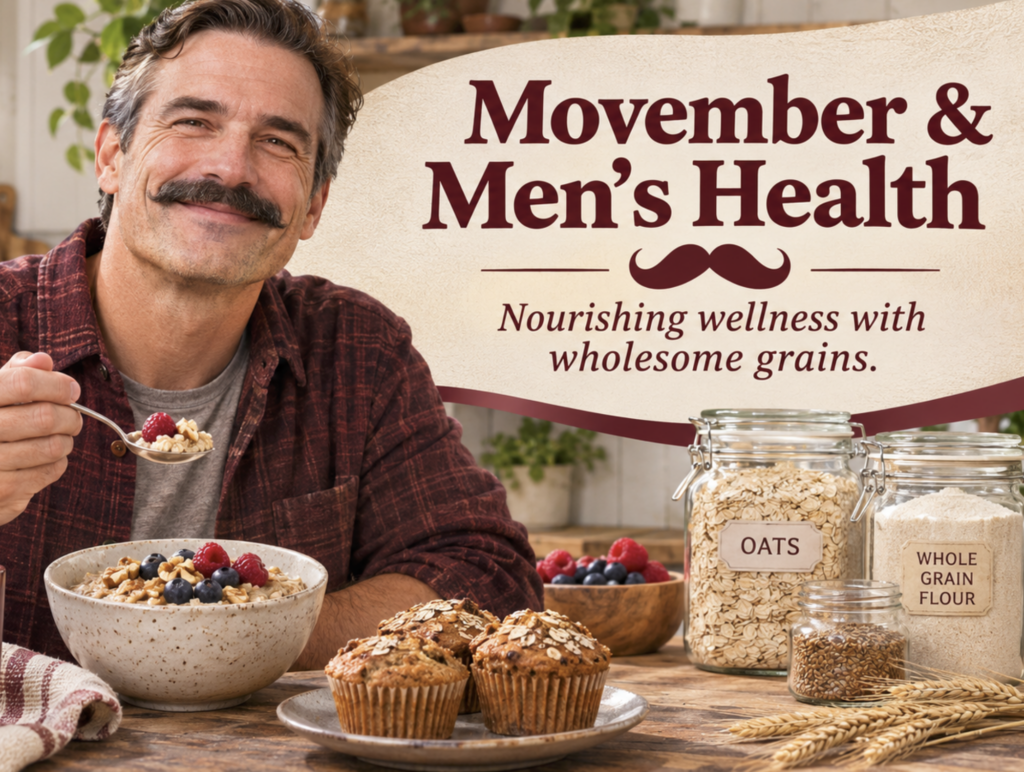
Although growing a moustache may seem lighthearted, the message behind the campaign is serious.
Many men delay seeking medical advice or discussing concerns about their physical and emotional health. Health awareness begins with encouraging open conversations and reducing the stigma sometimes associated with asking for help.
Everyday Habits That Support Men’s Health
Healthy eating patterns, regular physical activity, adequate sleep, and meaningful social connections can all contribute to overall well-being.
From a nutritional perspective, focusing on vegetables, fruits, whole grains, legumes, healthy fats, and a variety of protein foods is a practical starting point. These foods provide nutrients that support cardiovascular health, digestion and normal bodily functions.
Men should also discuss age-appropriate screening, personal risk factors, and family medical history with their healthcare providers.
Equally important is recognizing emotional health as part of overall wellness. Sometimes the most meaningful action we can take is simply asking someone how they’re doing and taking the time to listen.
Men’s health shouldn’t be a conversation confined to November. It deserves attention year-round.
4. The November Blues: Caring for Mental Health as Daylight Decreases
If you’ve noticed feeling a little more tired, less motivated, or emotionally flat as the days grow shorter, you’re not alone. Seasonal changes can affect our mood, energy levels and daily routines.
For some people, reduced daylight contributes to the winter blues. Others experience seasonal affective disorder (SAD), a form of depression linked to seasonal changes.
The Canadian Mental Health Association identifies daylight exposure, physical activity and maintaining healthy routines as effective ways to support emotional well-being during the darker months.
Make Daylight a Priority
Try spending time outdoors during daylight hours, even when the weather isn’t particularly inviting. A short midday walk can offer an opportunity for movement, fresh air and a break from indoor routines.
Open the curtains in the morning and, when possible, work or relax in natural light.
Create a Consistent Sleep Routine
Our sleep-wake cycle is influenced by environmental cues, such as light exposure.
As evenings grow darker, maintaining consistent sleep and wake times can help support a regular routine.
Aim for seven to nine hours of good-quality sleep if you’re an adult between 18 and 64, recognizing that individual needs vary.
Reduce screen brightness before bedtime, create a comfortable sleeping environment, and avoid relying on late-day caffeine to make up for poor sleep.
Remember the Value of Connection
Colder weather sometimes prompts us to withdraw socially. Make an effort to maintain connections through coffee dates, phone calls, family dinners, or community activities. Sharing a meal with someone can provide benefits beyond nutrition. It creates opportunities for conversation, connection and emotional support.
If changes in your mood are persistent or begin interfering with your daily activities, speak with a healthcare professional. Depression is not something you need to manage alone.
5. Winter Nutrition: Building Meals That Nourish and Satisfy
As temperatures drop, many of us naturally gravitate toward warm breakfasts, hearty soups, casseroles and freshly baked goods. It’s a signal to many of us that baking season has officially begun!
There is absolutely nothing wrong with enjoying the comfort of seasonal meals. In fact, colder weather offers great opportunities to add nutritious ingredients to everyday cooking.
Rediscover Whole Grains
Whole grains provide complex carbohydrates, fibre, vitamins, and minerals that support a balanced eating pattern. Unlike refined grains, whole grains retain the bran, germ and endosperm of the grain. This makes them valuable sources of nutrients that might otherwise be reduced during refining.
Oats are especially versatile in November. Beyond traditional oatmeal, you can use them in homemade muffins, baked oatmeal, granola, pancakes, and savoury dishes.
Whole wheat flour can add fibre and flavour to homemade breads, pancakes and other baked goods. When baking, try substituting some white flour with whole wheat flour and adjust the recipe as needed with a touch more liquid.
Barley, brown rice and other whole grains also make satisfying additions to soups and vegetable-based meals.
At Rogers Foods, we believe everyday ingredients can play an important role in delivering wholesome meals to Canadian tables.
Make Seasonal Produce Work for You
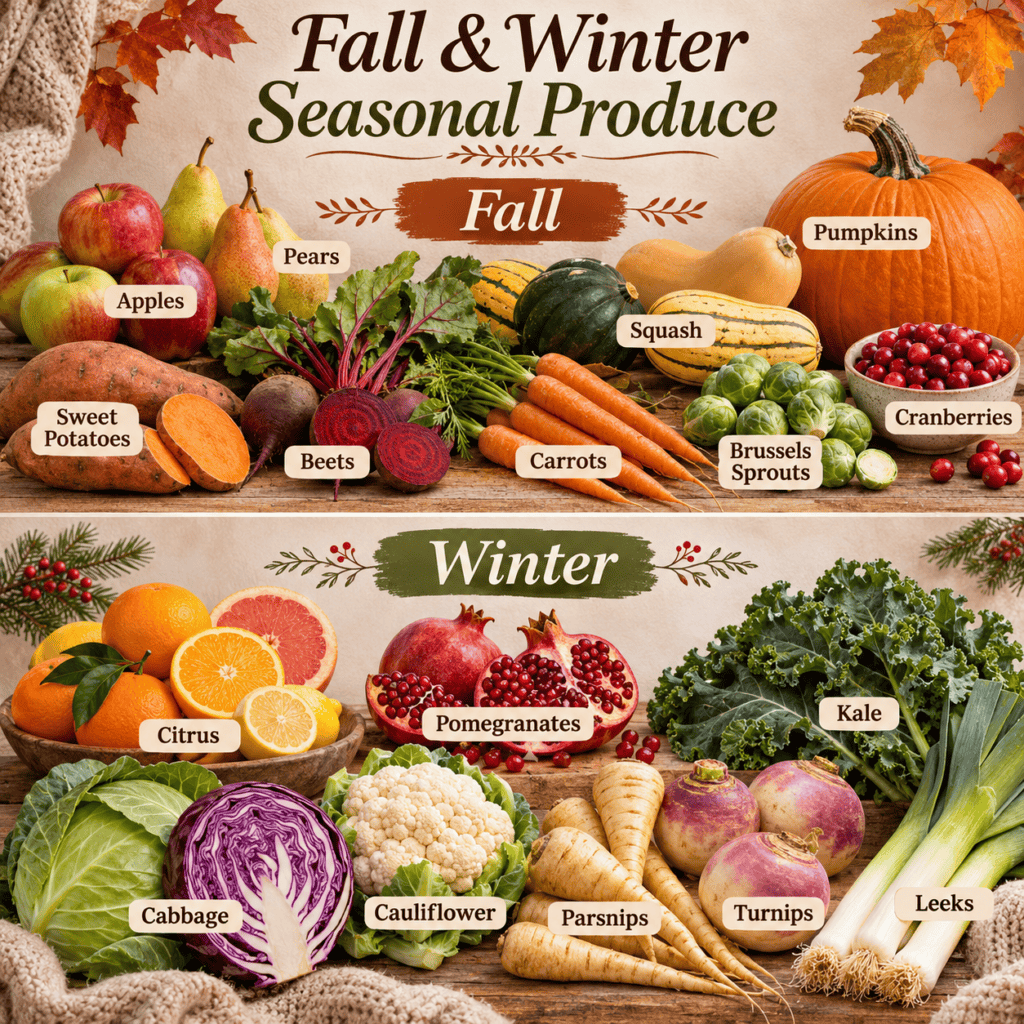
November is a wonderful time to enjoy vegetables such as squash, carrots, cabbage, potatoes, beets, and Brussels sprouts. These seasonal favourites provide fibre and a variety of vitamins and minerals.
Roasting vegetables with olive oil, garlic and herbs enhances their natural flavours without complicated preparation. Apples and pears are also excellent seasonal choices and can be enjoyed fresh, baked, or incorporated into breakfasts.
A warm bowl of oatmeal with sautéed apples, cinnamon and chopped pecans is a simple example of how nutritious ingredients can feel comforting and indulgent at once.
Don’t Forget Hydration
It’s easy to overlook hydration as the weather cools. We may not feel as thirsty as we do in summer, but our bodies still require adequate fluids.
Water remains one of the best everyday choices, but coffee, tea, milk and other beverages also contribute to our daily fluid intake. Keeping a reusable water bottle nearby is a simple way to encourage regular hydration. I keep my Stanley water bottle beside my computer during the day and by my bed at night. The convenient handle makes it easy to carry wherever I go.
6. The Power of Small Changes: Creating a Healthier November
One of the most common mistakes we make when trying to improve our health is trying to change everything at once. We decide to completely overhaul our diets, begin an ambitious exercise program and establish an entirely new routine overnight.
While enthusiasm is valuable, consistency is often more important than intensity. Instead, consider choosing just a few achievable habits for November. You might begin by preparing a nutritious breakfast most mornings, adding an extra serving of vegetables at dinner, or taking a short walk after lunch.
Maybe your priority is improving your sleep, reconnecting with friends, or finally booking a medical appointment you’ve been postponing. These actions may seem small on their own, but over time, they can contribute to meaningful improvements in health and well-being.
Personally, I believe one of the most valuable aspects of holistic wellness is recognizing how interconnected our health is. Nutrition influences how we feel and function. Physical activity supports our strength and mobility. Sleep supports recovery, while emotional well-being shapes how we manage everyday challenges.
We don’t need a perfect routine to enjoy the benefits of healthier living.
We simply need to keep making choices, no matter how small, that move us forward.
A Healthier Season Starts With Everyday Choices
November reminds me that taking care of my health involves more than what I put on my plate.
Diabetes Awareness Month encourages all of us to learn about metabolic health and the value of nutritious eating patterns. Osteoporosis Month highlights the importance of protecting our bones. Movember reminds us to support the physical and emotional well-being of the men in our lives.
As winter approaches, changing daylight and colder temperatures encourage us to pay closer attention to our energy, movement, sleep, and mental health. Rather than waiting until January to make resolutions, why not use November to establish a few simple habits that can carry you into the new year?
Prepare nourishing meals, enjoy seasonal ingredients, stay connected with the people who matter to you and make time for movement and rest.
Most importantly, remember that wellness is not about perfection (thank goodness!). It’s about creating a lifestyle that supports your health, happiness and quality of life, one thoughtful choice at a time.
Wishing you a healthy, nourishing and balanced November.
Tammy-Lynn McNabb, RHNP
Registered Holistic Nutritionist
Rogers Foods Wellness
References and Resources
- Health Canada. Calendar of Health Promotion Days. November Health Awareness Observances.
https://www.canada.ca/en/health-canada/services/calendar-health-promotion-days.html - Diabetes Canada. Diabetes Awareness Month and Diabetes Education Resources.
https://www.diabetes.ca/ - Diabetes Canada. Carbs 101: Understanding Carbohydrates and Blood Sugar.
https://www.diabetes.ca/living-with-diabetes/tools-and-resources/carbs-101 - Health Canada. Fibre: Nutrition and Healthy Eating.
https://www.canada.ca/en/health-canada/services/nutrients/fibre.html - Health Canada. Canada’s Food Guide: Eat Whole Grain Foods.
https://www.canada.ca/en/health-canada/services/food-guide/explore/healthy-eating-recommendations/eat-variety/eat-whole-grains.html - Osteoporosis Canada. Clinical Practice Guideline for Management of Osteoporosis and Fracture Prevention in Canada, 2023 Update.
https://osteoporosis.ca/executive-summary-clinical-practice-guideline/ - Public Health Agency of Canada. Osteoporosis: Reducing Risk and Supporting Bone Health.
https://www.canada.ca/en/public-health/services/chronic-diseases/osteoporosis.html - Statistics Canada. More on the Moustache: Movember and Men’s Health.
https://www.statcan.gc.ca/o1/en/plus/7369-more-moustache - Canadian Mental Health Association, BC Division. Seasonal Affective Disorder.
https://bc.cmha.ca/documents/seasonal-affective-disorder-2/ - Centre for Addiction and Mental Health (CAMH). Seasonal Affective Disorder.
https://www.camh.ca/en/health-info/mental-illness-and-addiction-index/seasonal-affective-disorder - Public Health Agency of Canada. Physical Activity: Being Physically Active for Your Health.
https://www.canada.ca/en/public-health/services/being-active/physical-activity-your-health.html
A Note on Wellness Information: This article provides general wellness information and should not replace individualized advice from a physician or other qualified healthcare professional. Individual nutritional needs can vary, particularly for people managing diabetes, digestive disorders, kidney disease, food allergies, or other medical conditions. Always follow package instructions for preparation and food safety for flour, oats, bran, and other raw grain products. This article is for entertainment purposes only.
Leave a Reply