

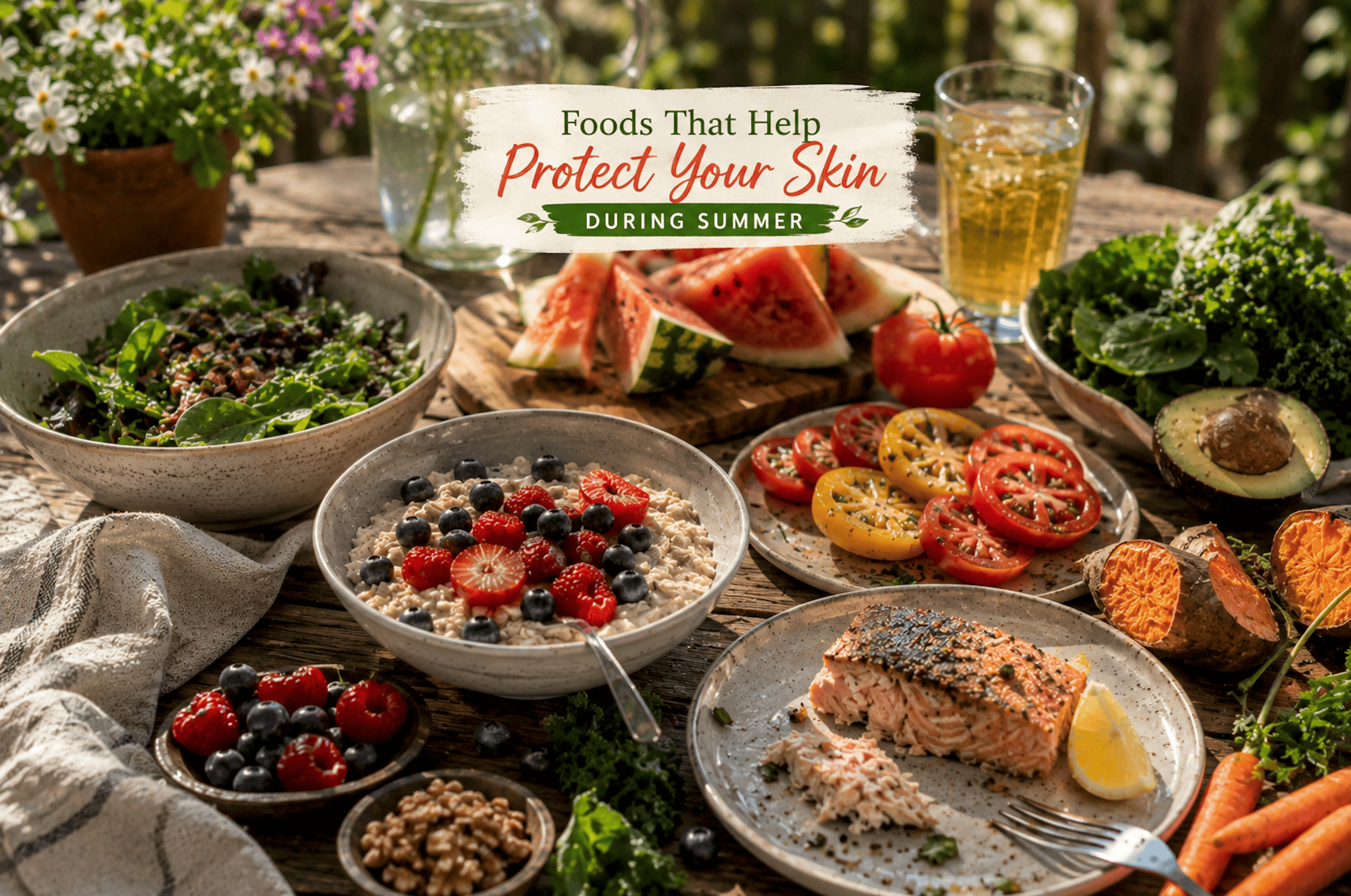
Summer is a season we eagerly anticipate. Longer days, sunshine, outdoor activities, gardening, beach trips, and backyard gatherings all encourage us to spend more time outdoors. While moderate sun exposure helps our bodies produce vitamin D, too much ultraviolet (UV) radiation can take a toll on our skin.
Most of us know the importance of sunscreen, protective clothing, and seeking shade during peak sunlight hours. However, many people are surprised to learn that nutrition also plays a key role in supporting healthy skin in the summer months.
The foods we eat provide vitamins, minerals, antioxidants, healthy fats, and other beneficial compounds that help protect skin cells from oxidative stress caused by UV exposure. While no food can replace sunscreen or completely prevent sun damage, a nutrient-rich diet can support your skin’s natural defences and promote healthy skin from the inside out.
Let’s explore some of the best foods to include in your summer diet and how whole grains, fruits, vegetables, and healthy fats can support healthier skin all season long.
Understanding How Sun Exposure Affects the Skin
When skin is exposed to sunlight, UV rays generate free radicals in the skin. Free radicals are unstable molecules that can damage healthy cells, accelerate skin aging, contribute to wrinkles, and increase inflammation.
Our bodies naturally produce antioxidants that help neutralize free radicals. However, prolonged sun exposure can overwhelm these protective systems. That’s where nutrition becomes important.
Many foods contain powerful antioxidants and nutrients that help support the body’s ability to combat oxidative stress. A diet rich in colourful fruits, vegetables, whole grains, and healthy fats can help provide the building blocks needed for healthy skin.
The Role of Antioxidants
Antioxidants help protect cells from damage caused by free radicals. They act as the body’s natural defence system, helping to maintain healthy tissues throughout the body, including the skin.
Some of the most important antioxidants for skin health include:
- Vitamin C
- Vitamin E
- Beta-carotene
- Lycopene
- Selenium
- Polyphenols
These nutrients are found naturally in many plant-based foods and are most effective when consumed regularly as part of a balanced diet.
Berries: Nature’s Antioxidant Powerhouses
Berries are among the richest sources of antioxidants available.
Blueberries, strawberries, raspberries, blackberries, and Saskatoon berries contain anthocyanins, which give them their vibrant colours and antioxidant properties.
These antioxidants help combat oxidative stress and may support healthy skin by protecting cells from environmental damage.
Berries are also an excellent source of vitamin C, which is critical for collagen production. Collagen is the protein that maintains skin structure and elasticity.
Easy ways to enjoy berries include:
- Adding them to oatmeal
- Mixing them into yogurt
- Blending them into smoothies
- Topping whole-grain pancakes or waffles
- Enjoying them as a refreshing snack
Tomatoes and Watermelon: Rich Sources of Lycopene
Lycopene is a powerful antioxidant found in red fruits and vegetables, particularly tomatoes and watermelon.
Research suggests that lycopene may help support the skin’s natural response to UV exposure by reducing sunlight-induced oxidative stress.
Cooked tomato products such as tomato sauce, roasted tomatoes, and tomato soup often provide even more bioavailable lycopene than raw tomatoes.
Watermelon offers the added benefit of helping with hydration, which is especially important during hot summer weather.
Try incorporating:
- Fresh tomatoes in salads
- Homemade salsa
- Tomato-based pasta sauces
- Watermelon slices are a refreshing snack
- Watermelon and berry fruit salads
Leafy Greens Provide Skin-Supporting Nutrients
Dark leafy greens such as spinach, kale, Swiss chard, and romaine lettuce provide an impressive combination of vitamins and antioxidants.
These vegetables provide:
- Vitamin C
- Vitamin E
- Beta-carotene
- Lutein
- Zeaxanthin
Lutein and zeaxanthin are carotenoids that may help support skin health by helping protect cells from oxidative damage.
Leafy greens are also low in calories and high in fibre, making them an excellent addition to any healthy eating plan.
Consider adding greens to:
- Smoothies
- Sandwiches
- Salads
- Grain bowls
- Omelettes
Carrots and Sweet Potatoes for Beta-Carotene
The bright orange colour of carrots and sweet potatoes comes from beta-carotene, a precursor to vitamin A.
Beta-carotene functions as an antioxidant and contributes to healthy skin maintenance.
Many orange and yellow fruits and vegetables contain beta-carotene, including:
- Carrots
- Sweet potatoes
- Pumpkin
- Butternut squash
- Cantaloupe
These foods can be easily incorporated into summer meals through salads, roasted vegetable dishes, soups, and side dishes.
Healthy Fats Support Skin Hydration
Healthy fats are essential for maintaining the skin’s natural barrier.
When the skin barrier functions properly, it helps retain moisture and protects the skin from environmental stressors.
Some excellent sources of healthy fats include:
- Salmon
- Sardines
- Trout
- Walnuts
- Chia seeds
- Flaxseed
- Hemp hearts
- Avocados
Omega-3 fatty acids found in these foods may help support healthy skin by contributing to normal inflammatory responses within the body.
Try adding ground flaxseed or chia seeds to oatmeal, yogurt, muffins, or smoothies for an easy nutritional boost.
The Importance of Whole Grains for Skin Health
When discussing skin health, whole grains are often overlooked. Yet they provide several nutrients that support overall wellness and healthy skin function.
Whole grains contain:
- Fibre
- B vitamins
- Vitamin E
- Selenium
- Zinc
- Plant compounds with antioxidant activity
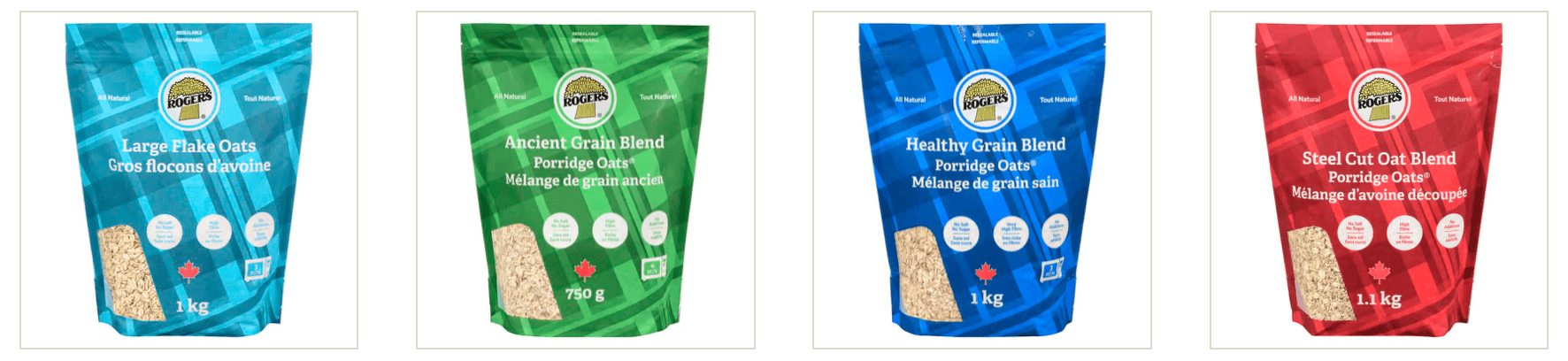
Unlike refined grains, whole grains retain all three parts of the grain kernel: the bran, germ, and endosperm.
The bran and germ contain many of the nutrients and antioxidants that are removed during refining.
Foods made with whole-grain ingredients, such as oats and whole-wheat flour, can support a nutrient-rich eating pattern that promotes skin health.
Oats: A Summer Superfood
Oats deserve special attention because they offer a unique combination of fibre, antioxidants, and minerals.
Oats contain compounds called avenanthramides, antioxidants found almost exclusively in oats. These compounds have been studied for their anti-inflammatory and antioxidant properties.
Oats also provide:
- Manganese
- Magnesium
- Zinc
- Iron
- B vitamins
Starting your day with a bowl of oatmeal topped with berries can deliver a powerful combination of skin-supporting nutrients.
Other ways to enjoy oats include:
- Overnight oats
- Homemade granola
- Smoothies
- Oat muffins
- Energy bites
Whole Wheat Flour Adds Valuable Nutrients
Whole wheat flour contains the bran and germ of the wheat kernel, making it more nutrient-dense than refined white flour.
Whole wheat flour provides:
- Fibre
- B vitamins
- Magnesium
- Zinc
- Selenium
These nutrients support overall health and contribute to normal skin function.
Summer baking ideas include:
- Whole wheat muffins
- Whole wheat pancakes
- Fruit-filled loaf cakes
- Whole wheat flatbreads
- Homemade pizza crusts
Pairing whole grains with antioxidant-rich fruits creates delicious recipes that support healthy eating throughout the season.
Hydration Matters More Than You Think
Healthy skin starts with proper hydration.
During summer, higher temperatures and increased sweating can raise fluid requirements.
While drinking water remains the best way to stay hydrated, many foods also provide valuable fluids.
Hydrating foods include:
- Watermelon
- Cucumber
- Strawberries
- Celery
- Tomatoes
- Peaches
- Oranges
These foods provide water along with vitamins, minerals, and antioxidants that support overall health.

Green Tea: A Refreshing Summer Beverage
Unsweetened green tea contains polyphenols, particularly catechins, that have antioxidant properties.
Green tea can be enjoyed hot or cold and may be a refreshing alternative to sugary beverages during summer.
Try brewing green tea and chilling it with slices of lemon or fresh mint for a naturally refreshing drink.
Build a Summer Plate for Healthy Skin
A skin-supportive summer meal doesn’t need to be complicated.
Aim to include:
- Colourful fruits and vegetables
- Whole grains
- Lean protein
- Healthy fats
- Plenty of fluids
For example:
Breakfast:
Whole-grain oatmeal topped with berries, walnuts, and flaxseed.
Lunch:
Mixed greens salad with grilled salmon, tomatoes, cucumbers, and a whole-grain roll.
Snack:
Watermelon slices and a handful of almonds.
Dinner:
Grilled chicken with roasted sweet potatoes and a spinach salad.
Dessert:
Fresh berries with Greek yogurt.
Nutrition Is Only One Piece of the Puzzle
While food can help support healthy skin, it is important to remember that nutrition is only one part of a comprehensive sun protection strategy.
Continue to:
- Wear broad-spectrum sunscreen
- Reapply sunscreen regularly
- Wear protective clothing
- Use hats and sunglasses
- Seek shade during peak UV hours
- Stay hydrated
Combining smart sun habits with a nutrient-rich diet can help support healthy skin throughout the summer.
Final Thoughts
Summer offers an abundance of fresh, seasonal foods that can nourish your skin from the inside out. Berries, tomatoes, leafy greens, carrots, sweet potatoes, healthy fats, whole grains, and oats all provide valuable nutrients that support the body’s natural defences against oxidative stress.
By focusing on a balanced diet rich in colourful fruits and vegetables, whole grains, and healthy fats, you can enjoy delicious seasonal foods while supporting overall health and skin health.
The best approach to summer skin care combines healthy eating, proper hydration, and sensible sun protection. Together, these habits can help keep your skin looking and feeling its best throughout the season.
Author’s Note
The information in this article is for educational purposes only and does not constitute medical advice. While nutrition can support healthy skin, foods should not be used as a substitute for sunscreen, protective clothing, or other sun safety measures. Consult a healthcare professional for personalized health recommendations.
References
- Evans, J.A., & Johnson, E.J. (2010). The Role of Phytonutrients in Skin Health. Nutrients, 2(8), 903–928. Available at: https://doi.org/10.3390/nu2080903. This review discusses the role of carotenoids, vitamin E, flavonoids, and other phytonutrients in protecting skin from UV-induced oxidative damage. (PMC)
- Fernández-García, E. (2014). Skin Protection Against UV Light by Dietary Antioxidants. Food & Function, 5(9), 1994–2003. This review examines how dietary antioxidants such as carotenoids, vitamins C and E, and polyphenols may contribute to the body’s natural defense against UV-related skin damage. (PubMed)
- Grether-Beck, S., Marini, A., Jaenicke, T., Stahl, W., & Krutmann, J. (2017). Molecular Evidence that Oral Supplementation with Lycopene or Lutein Protects Human Skin Against Ultraviolet Radiation. British Journal of Dermatology, 176(5), 1231–1240. This clinical study found evidence that lycopene and lutein may help support skin protection against UV radiation. (PubMed)
- Ribaya-Mercado, J.D., Garmyn, M., Gilchrest, B.A., & Russell, R.M. (1995). Skin Lycopene Is Destroyed Preferentially Over Beta-Carotene During Ultraviolet Irradiation in Humans. Journal of Nutrition, 125(7), 1854–1859. This study suggests lycopene plays an important role in helping protect skin from oxidative stress caused by UV exposure. (PubMed)
- Marini, A., et al. (Referenced in multiple reviews). Research on carotenoids including lycopene, lutein, and beta-carotene demonstrates their potential role in reducing oxidative stress and supporting skin health following sun exposure. (PubMed)
- Panzella, L., Napolitano, A., & colleagues (2018). Antioxidants from Plants Protect Against Skin Photoaging. International Journal of Molecular Sciences, 19(6), 1661. This review explores how plant-derived antioxidants, including polyphenols, carotenoids, and vitamin C, may help reduce photoaging and oxidative stress associated with UV exposure. (PMC)
Leave a Reply